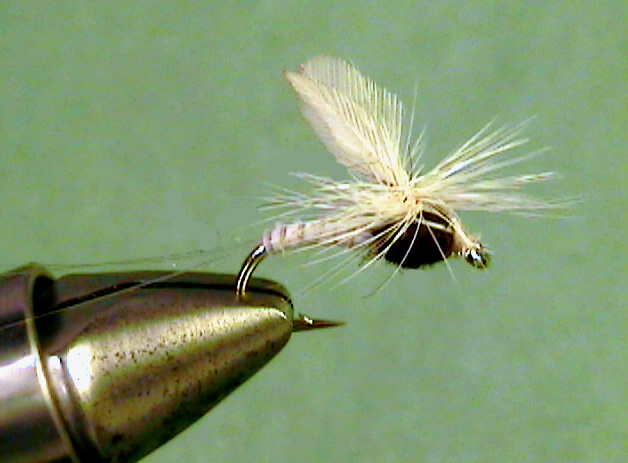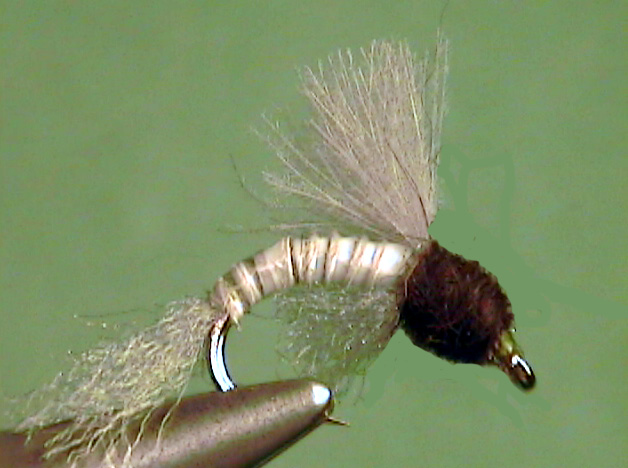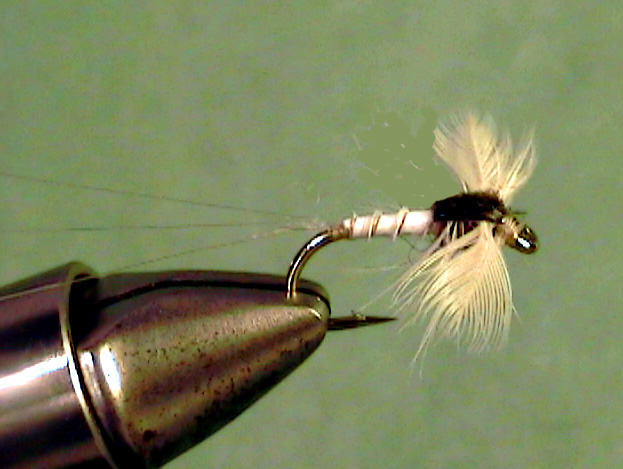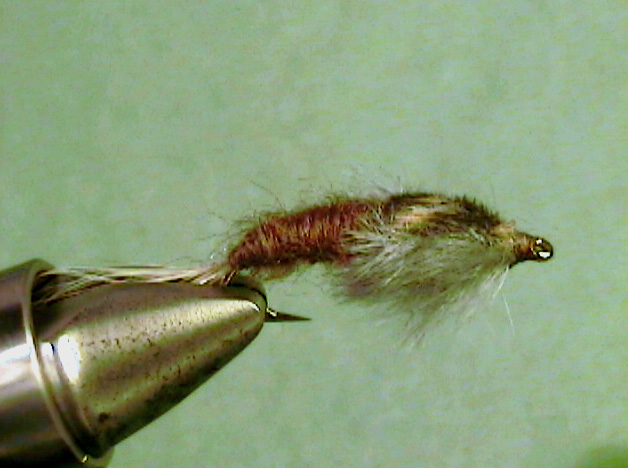
Description
Hook Size: 12
The Perfect Fly White Drake nymph is a trout fly that imitates the mayfly in the nymphal stage of life. White Drake nymphs are burrowing nymphs. The come out of the burrows and crawl about on the bottom and should be fished on or near the bottom.
The White Drake, or White Fly as it is sometimes called, are species of the Ephoron
genus. The most common species are the album and the leukon. They both are very
similar. These are also know as White Millers although that name is not real common for
them. It is also a common name for a caddisfly. They live in water that are on the warm
side for trout. The streams that have them may or may not be suitable for trout. They
reside in their burrows in soft bottoms of silt or soft clay.The nymphs are burrowers. They normally hatch in the late summer from early August to
the end of September. They can hatch in huge quantities. These nymphs emerge from
their burrows just before they hatch. The swim to the near the surface to hatch. There
may be a lot of nymphs in the water column just before a hatch. It takes a little time for
them to split their nymphal shuck and emerge. The hatch starts in the early evenings and
continues on into the night.Nymph Presentation:
The “Perfect Fly” White Drake Nymph fly should be presented just before dusk. It is
common for anglers that fish this hatch to use a strip method of adding short movements
of the fly. You can imitate the hatch by bringing the nymph imitation up near the surface.
It should be lightly weighted to accomplish this.
genus. The most common species are the album and the leukon. They both are very
similar. These are also know as White Millers although that name is not real common for
them. It is also a common name for a caddisfly. They live in water that are on the warm
side for trout. The streams that have them may or may not be suitable for trout. They
reside in their burrows in soft bottoms of silt or soft clay.The nymphs are burrowers. They normally hatch in the late summer from early August to
the end of September. They can hatch in huge quantities. These nymphs emerge from
their burrows just before they hatch. The swim to the near the surface to hatch. There
may be a lot of nymphs in the water column just before a hatch. It takes a little time for
them to split their nymphal shuck and emerge. The hatch starts in the early evenings and
continues on into the night.Nymph Presentation:
The “Perfect Fly” White Drake Nymph fly should be presented just before dusk. It is
common for anglers that fish this hatch to use a strip method of adding short movements
of the fly. You can imitate the hatch by bringing the nymph imitation up near the surface.
It should be lightly weighted to accomplish this.
Most of the time, an up and across presentation works fine for the nymph. Mend your line
and get the fly down to the bottom of the stream and allow it to swing all the way around.
Copyright 2003 James Marsh